Why Twin Pregnancy Does Not Have to Equal Automatic C-Section
Picture you’re in a dark room lit by only a computer monitor displaying a fuzzy, moving, black-and-white image as your belly is covered with cool jelly. As the wand slides across your abdomen, it is searching for any sign of human life hidden away in your uterus. It is challenging to interpret what you’re seeing on the screen. But soon, maybe with some help, you spot two tiny dots repeatedly twinkling back at you. The flickering is to the rhythm of two hearts beating life.

The world may come to a halt, engulfed in utter shock as disbelief and awe fill every corner of your mind—as if you have stepped outside your body, watching the scene unfold before you. You’ve witnessed other scenes from Hollywood movies or heard testimonies about the news of twins, but never did you expect twins would be a part of your story.
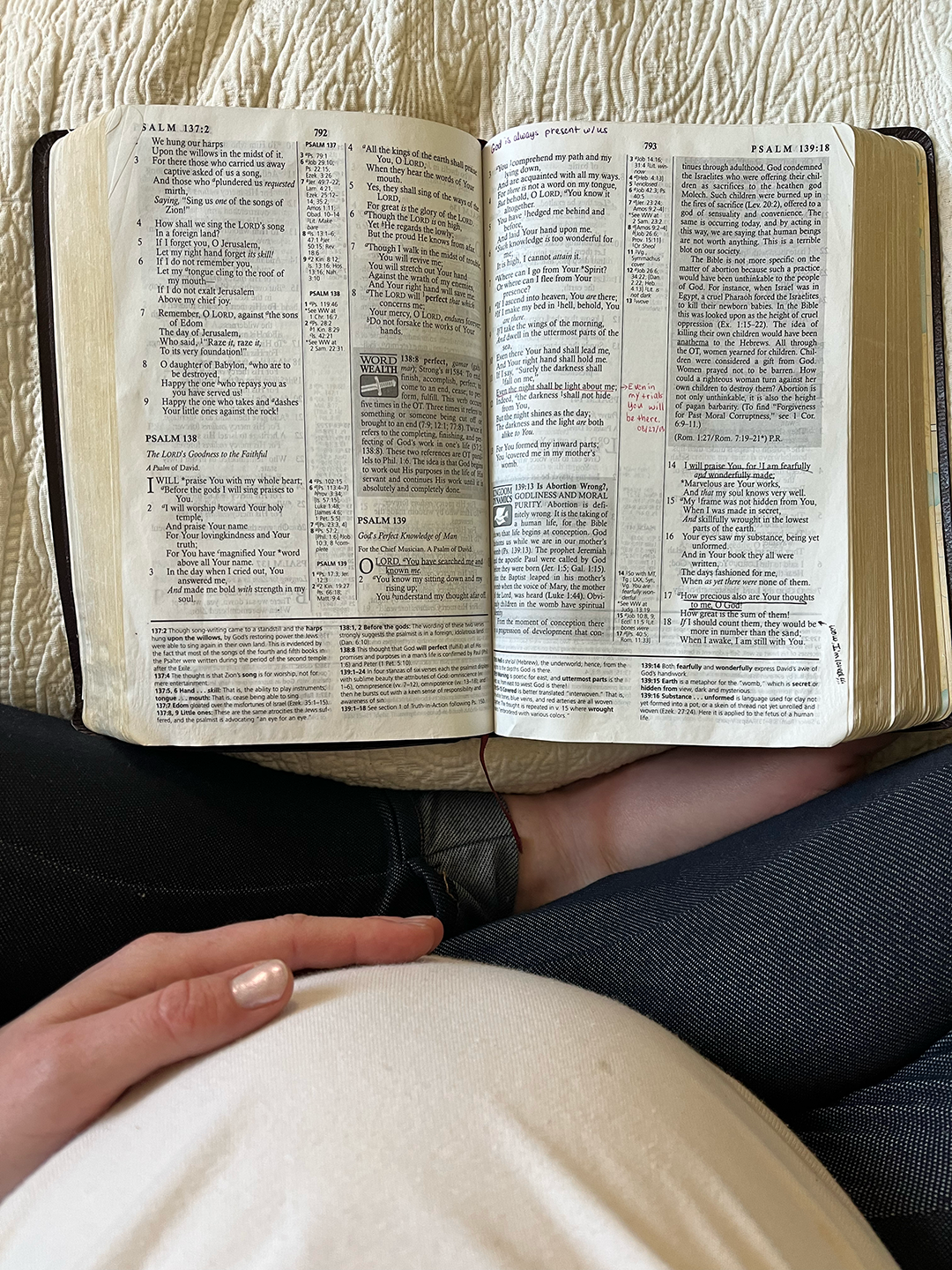
The twin world is one of double the joy and perhaps double the challenge. You may feel full of joy in one moment and worried and anxious in the next. Your mind might go straight to fear of the labor outcomes of your babies, let alone all the double necessities you must fit into your home. Out of curiosity, you might even search the Bible for the twin birth stories, from the twin births of Jacob and Esau to Perez and Zerah. Then, your mind might wander, thinking about all the wonderful memories these siblings will share together soon to come.
Like any other pregnancy, this unique time is linked with hormones making it already an emotional period. However, you have two baby bundles of joy instead of one arriving at the same time. Whether the pregnancy was a surprise or planned for years, the roller coaster of emotions is normal.
The new journey of twin pregnancy doesn’t have to cause you to feel alone or scared, rather it’s a time to reach out for community and support. Embrace the camaraderie of others, but ultimately discover what suits your own unique family best. Step into the confidence of your own parenting abilities and judgment as you lean into the guidance of the Holy Spirit so that you will not only survive having twins but enjoy this special time.
In this post, if you’re expecting twins, you will learn that this doesn’t mean you have to automatically have a c-section. In addition, I’ll share some tips with you on how to receive better prenatal care.

The Background of Twins
Every year in the United States, about 120,000 twin babies make their grand entrance into the world, accounting for 3.2% of all births. 74.8% of twin births result in cesareans. This high rate presents difficult hurdles for the expecting mother of twins especially if she deeply desires a natural birth.
As soon as a mother finds out she is having twins, double is often labeled ‘high-risk.’ The mother then may feel she has little to no choice on where she is inclined to have her babies especially if she was hoping to have her babies peacefully and naturally. Unfortunately, twin births are not only associated with high risk but also with cesareans.
The situation can surmount to a David versus Goliath moment. The mother may feel helpless not knowing all the jargon and protocols compared to a hospital corporation secured with procedures and doctorate degrees warding off any threat of lawsuits.
A mother expecting twins may turn to other options outside of the hospital because of the assumption that she can’t have her vaginal birth, doesn’t like the kind of care she’s getting in the hospital, or may not be happy with the results of a hospital birth. But it doesn’t stop there. The American College of Obstetricians and Gynecologists advises against multiple births at home and some states have laws forbidding homebirth or birth center midwives from caring for twin pregnancies. Thus, the options of vaginal twin birth decrease even more for an expecting mother.
Although there hasn’t been much research on twin birth in a community setting, whether in a home or at a birth center, a new study published on December 11, 2024, by Dr. Stuart J Fischbeing and Rixa Freeze, gauges the after-effects of twin pregnancies overseen by a single care practitioner (Twin home birth: Outcomes of 100 sets of twins in the care of a single practitioner).
The study was conducted by two big birth advocates with notable influence. Dr. Stuart J Fischbeing or Dr. Stu as some call him is the host of the podcast, Birthing Instincts, and has been a clinical practitioner for 36 years certified by the American Board of Obstetrics and Gynecology (Birthing Instincts). While he trained at Cedars-Sinai Medical Center in the obstetrics’ standard medical model, he had the vision to support the midwifery care model and served as a backup consultant to many midwives for 25 years. He is an advocate for evidence-based choices sharing his wisdom on the podcast and hands-on seminars on breech births around the world. The other team member in the study, Dr. Rixa Freeze, is the founder and president of the organization Breech without Borders. She is both a certified doula and midwife’s assistant and has a PhD from the University of Iowa focusing on childbirth and maternity care (Stand and Deliver Blog). She has published articles including “Staying Home to Give Birth: Why Women in the United States Choose Home Birth” (JMWH 2009) and “Breech birth at home: Outcomes of 60 breech and 109 cephalic planned home and birth center births” with BMC Pregnancy & Childbirth (Gold Midwifery).
The study observed 100 twin pregnancies over 12 years noting outcomes such as type of birth, Apgar scores, and postpartum hospital transports. Of the 100 twin-births:
- 31% of women were transferred to hospital care before labor.
- 69% of pregnancies were still under the obstetrician’s care when labor began
- Overall, the vaginal birth rate was 91.3%.
- There were 8 hospital transports during labor: 2 resulted in a vaginal birth and 6 cesareans.
- The average gestational age was 39 weeks.
- Women who had given birth previously experienced less perineal trauma and had higher rates of spontaneous vaginal births.
- Babies born at home or birth center setting did not experience any serious health issues that required hospital treatment.
- 44.9% of twin labors in a community setting presented at least one breech presentation and 87.1 % of those presentations had successful vaginal birth at home or birth center
- The gap period between each twin being born was on average 35.1 minutes overall.
- Over 90% of mothers had little to no perineal trauma whereas only one mother (1.6%) had a 3rd-degree tear.
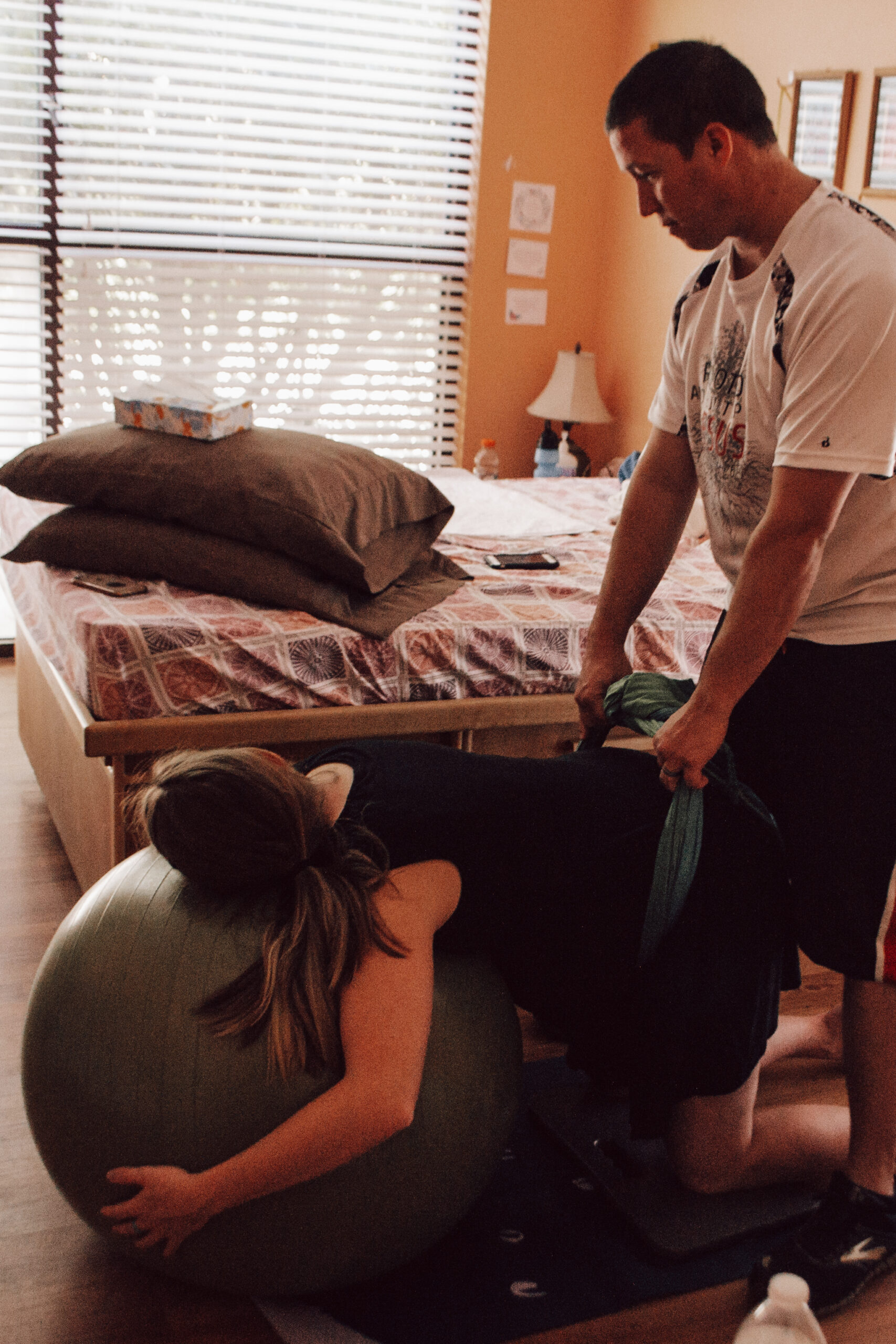
Unlike hospital instances, the women in this study were encouraged to eat and drink, change birth positions, and choose where they would like to birth and the position, they would like to birth in. The study’s model of care supported the mothers to have a natural labor begin due to the benefits of spontaneous labor and the risks associated with induction. Babies in the head-first position or breech position were treated the same in terms of care. The mothers had the option to labor in the shower or tub for pain management. Breech water births were not preferred due to higher chances of assistance, however, the power of choice still remained with how the mothers preferred to labor.
Vaginal exams were kept to a minimum and only done with the mother’s informed consent. In addition, fetal monitoring was performed by a handheld Doppler, and a portable ultrasound was sparingly used to confirm the baby’s position and heart rate of twin B following the birth of twin A. When it came time to push, the women were not coached on when to push, but rather, pushing was encouraged when the mother had the urge to push.
The researchers concluded from the study that a twin birth attended by a practitioner in a community setting, whether at home or in a birth center, can lead to better outcomes for both mother and babies. This includes a higher likelihood of a vaginal twin birth compared to a hospital setting.

So what does this all mean?
If you’ve recently discovered that you are expecting twins, don’t feel restricted or without options. Instead, be encouraged that a skilled practitioner who provides midwifery-style care can be a viable choice if you want to avoid a c-section. Seek options especially if the hospital isn’t offering any hopeful options for a vaginal twin birth.
Just because you’re a mom carrying two shouldn’t qualify you as an automatic cesarean patient or a scheduled induction before 38 weeks gestation.
To make it helpful and sum it all up, below are a few recommendations to consider for your upcoming pregnancy and birth based on the results from the twin birth study.
If You Don’t Have Peace, Consider Other Options
If you don’t have peace about either a hospital, birth center, or home birth care options, it’s probably not a good idea. I recommend that mothers choose the right place to receive care and have their baby in the place that brings the most peace. Any place or environment that causes you overall fear, would likely cause your body to go into fight or flight mode which would hinder the progression of having a smooth labor and birth. Seek out a place where you’re treated with compassion, respect, and dignity by a skilled practitioner.
Verify Breech Training
If you’re desiring a vaginal twin birth, verify if your healthcare provider has vaginal breech skills. Because breech presentation in twin births occurs almost 50% of the time, it is essential to have a skilled practitioner.
Know the Power of Your Choice
You have a choice in the type of care you would like to receive for you and your babies whether from a midwifery model or an obstetrics model. Learn about twin pregnancies and labor, how the body naturally births twin babies, and the pros and cons of various induction methods and pain relievers. Be a curious learner by asking your practitioner questions and begin talking about a game plan of different scenarios if incidents were to arise. This could include how each scenario would be handled and the risks and benefits of options because, overall, this is ultimately your body and your babies. Steward what God has given you well.
Labor in a Safe, Private Environment
Better outcomes from the study suggest that women who feel safe surrounded by people they know and can move freely, eat and drink, and labor how they desire have tremendous benefits. Whether laboring in the hospital, birth center, or at home, create a calming environment by dimming the lights and setting boundaries for less interruption like vaginal checks or visitors. Talk to your provider about different options for eating and comfortable movements and positions during labor and birth in addition to pushing spontaneously.
More than One Choice
As a mother carrying twins, if you do not have gross anomalies or significant medical issues such as a serious clotting disorder or type 1 diabetes and have an open mind and confidence regarding the midwifery care model, you have several options which include the hospital, birth center, and home. Ask other twin mothers in your area to hear about their experiences with different healthcare providers and consider the risks and benefits of each option.
Seek First His Kingdom
Above all, seek the Holy Spirit to guide you into the decisions during your pregnancy carrying the twins. You can ask the Holy Spirit questions for guidance on choosing the right care provider, and the right place to birth your babies, and even address uncertain feelings going on in your body like Rebekah did when she felt the Jacob and Esau jostling inside of her (Genesis 25:22-24). The Spirit of truth will guide you into all truth (John 16:13). Know that you are not alone in this journey and that the Lord has equipped you to care for your twin babies.
Cheering you on!
Kaitie
P.S. – If you’re a twin mama or mother of multiples and have some encouraging wisdom, share with us in the comments!